Prescription Hearing Aids for Your Circumstances, Style & Budget
At Acadian Hearing, our Audiology Specialists know that there’s not a “one size fits all” approach to hearing aids.
We’ll sit down with you in a relaxed environment and discuss your options, test a range of different styles, and help you make the right decision.

Prescription Hearing Aids for Your Circumstances, Style & Budget
At Acadian Hearing, our Audiology Specialists know that there’s not a “one size fits all” approach to hearing aids.
We’ll sit down with you in a relaxed environment and discuss your options, test a range of different styles, and help you make the right decision.
Prescription Hearing Aids for Your Circumstances, Style & Budget
At Acadian Hearing, our Audiology Specialists know that there’s not a “one size fits all” approach to hearing aids.
We’ll sit down with you in a relaxed environment and discuss your options, test a range of different styles, and help you make the right decision.


The Different Styles of Prescription Hearing Aids
Explore a variety of discreet, comfortable, & performance-tailored hearing aids designed to suit your hearing needs and lifestyle
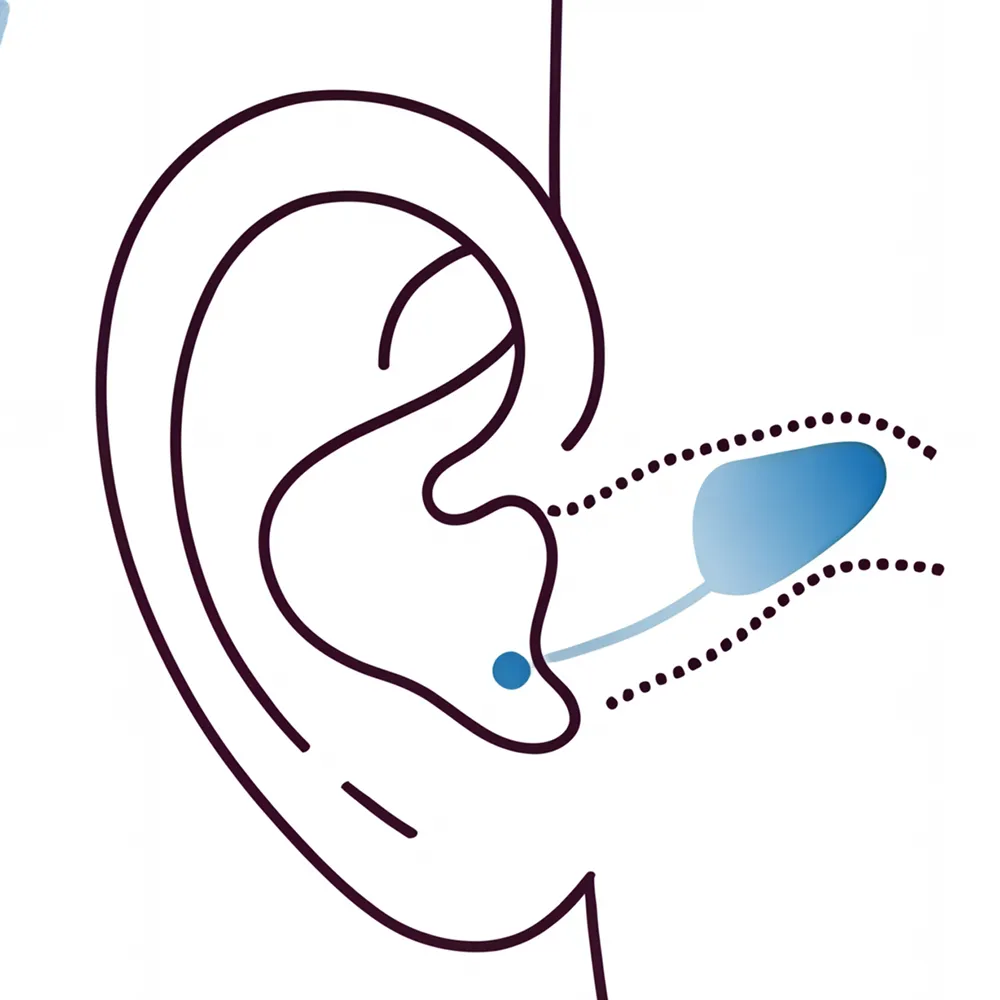
Invisible In The Canal (IIC)
The smallest custom style, IIC instruments, sit invisibly in or past the second bend of the ear canal. IIC devices are specifically designed for mild-to-moderate hearing loss.
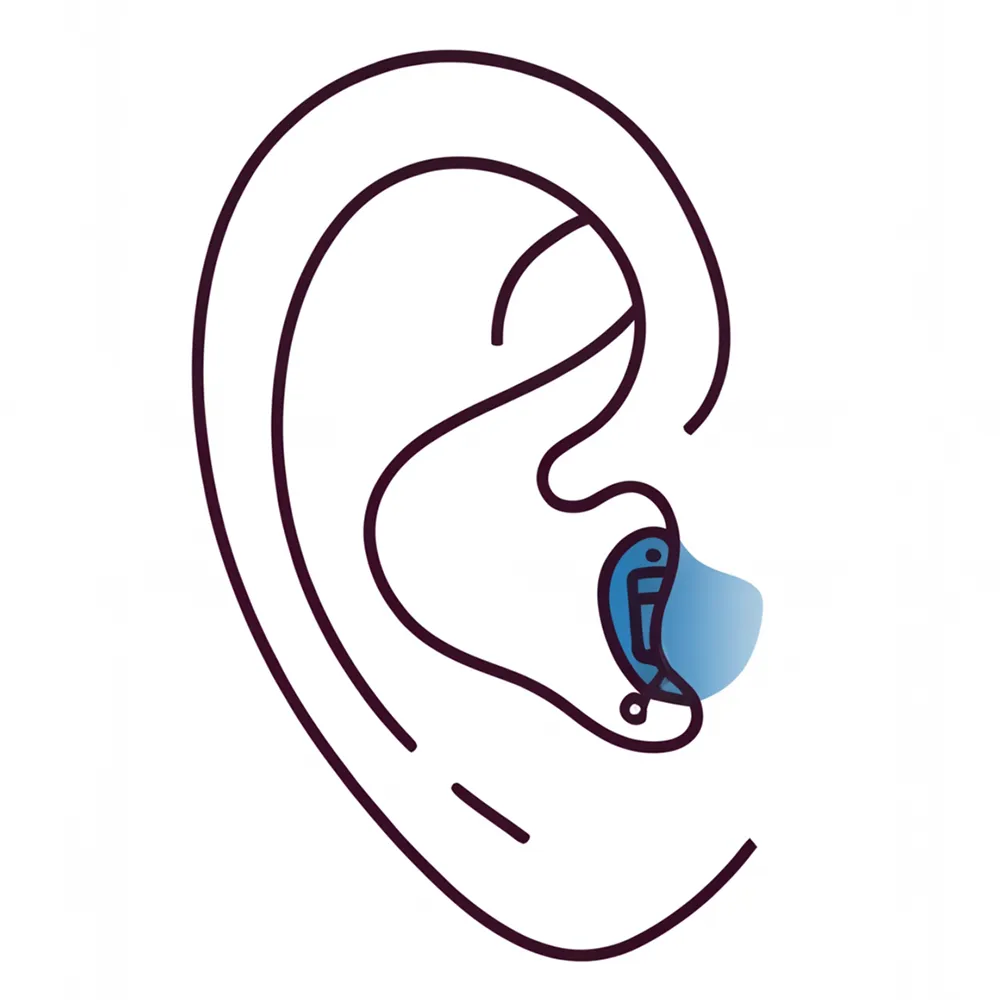
Completely in the Canal (CIC)
The smallest custom style, CIC instruments, fit deeply and entirely within the ear canal. They fit mild-to-moderate hearing losses and offer high cosmetic appeal, as they’re nearly invisible when worn.
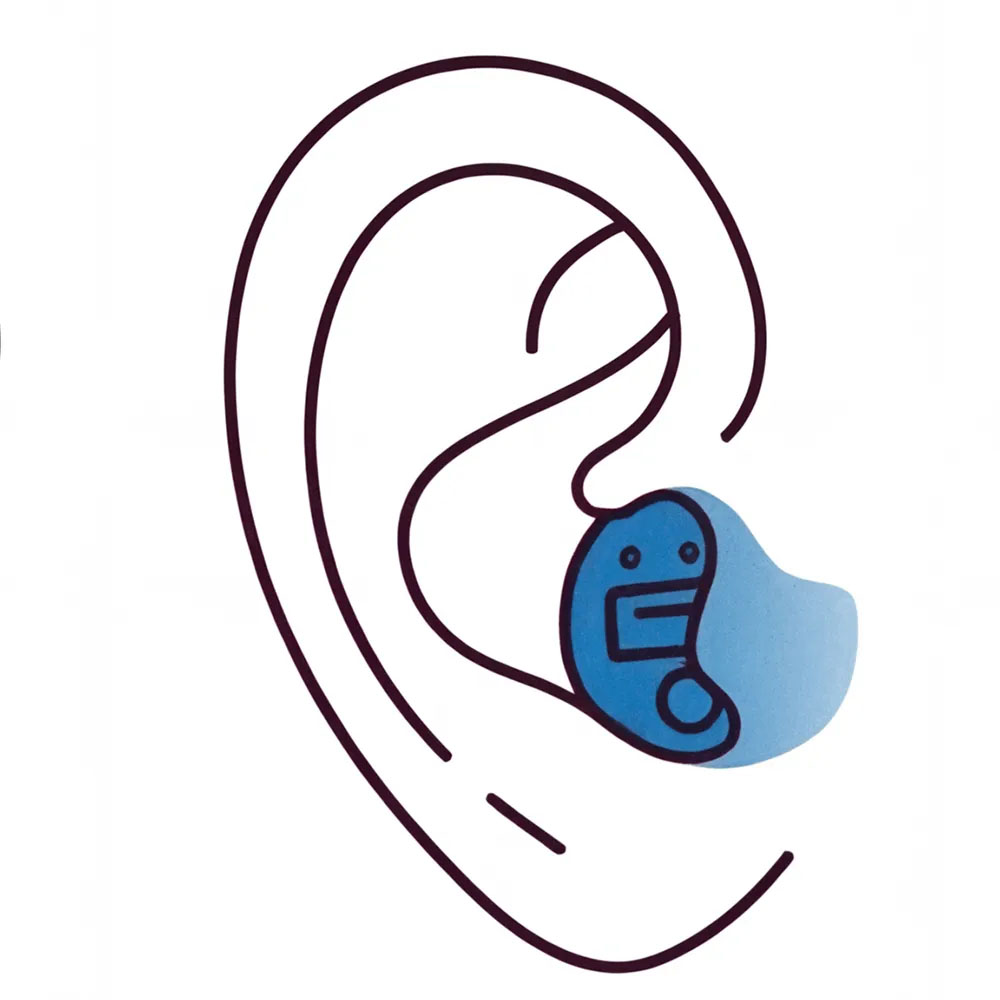
In the Canal (ITC)
ITC instruments sit in the lower portion of the outer ear bowl, making them comfortable and easy to use. Because they’re slightly larger than CIC models, they have a longer battery life, and can host additional features such as directional microphones for better understanding in noisy environments, and controls such as volume controls. They fit mild and moderate hearing losses.
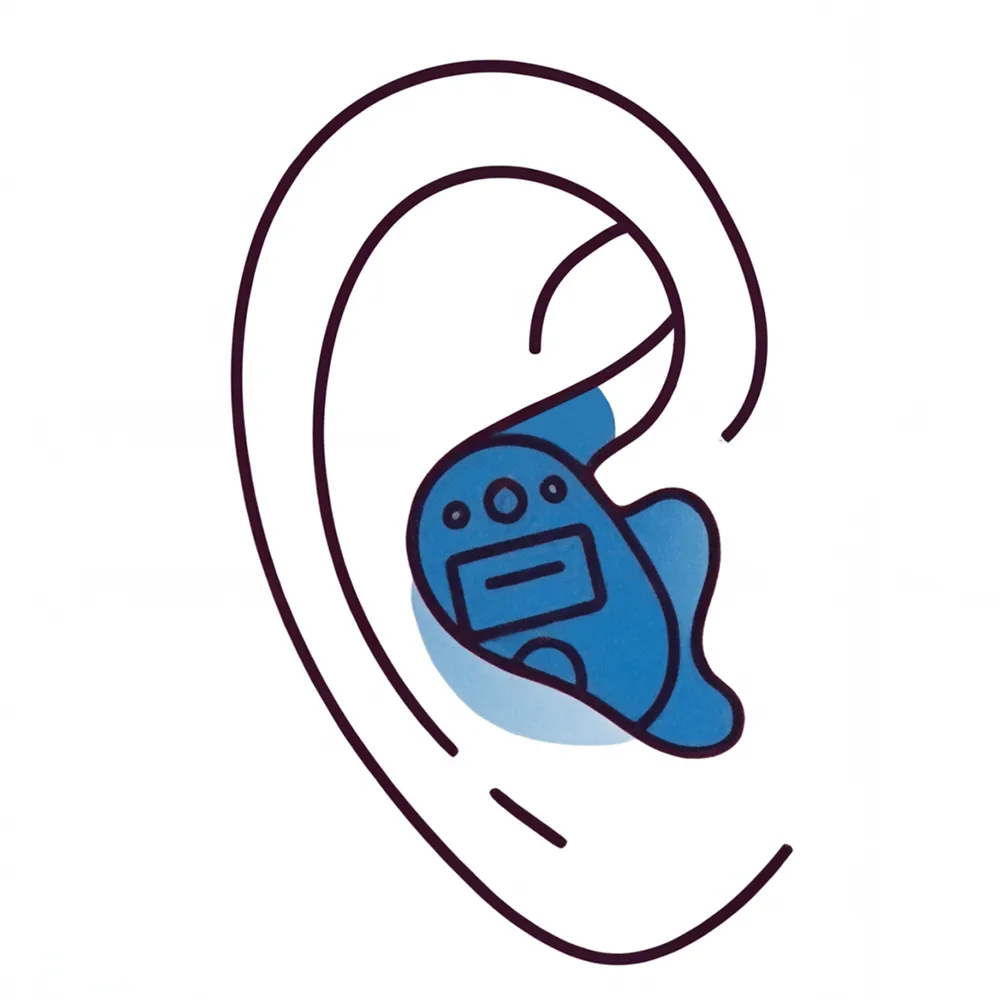
Full Shell or In the Ear (ITE)
Full shell models sit flush within the outer ear bowl. Their size allows the maximum number of additional controls and features, such as directional microphones, which require space on the outer portion of the instrument. They use a larger battery size than the smaller styles and can fit a larger receiver with enough power for even some severe hearing losses. Because of their flexibility, they’re widely recommended for mild-to-severe hearing loss.
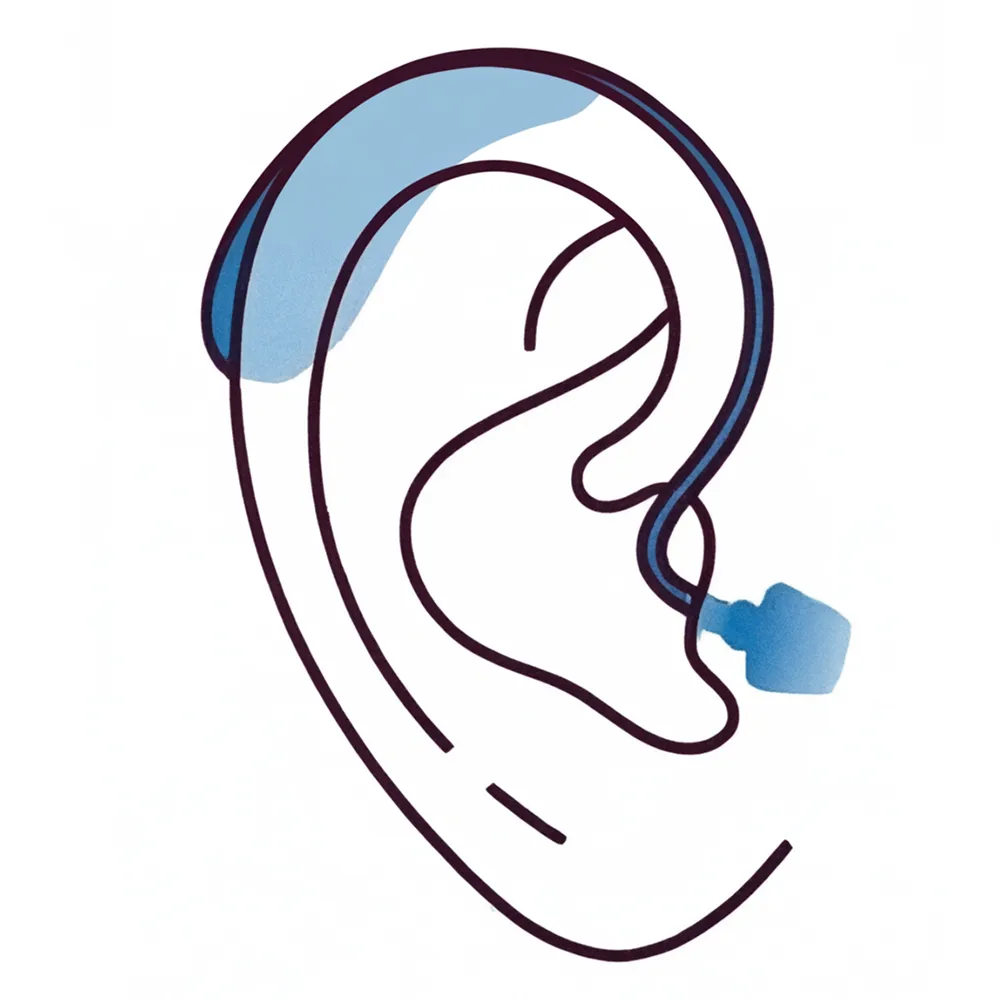
Receiver in Ear (RIC)
RIC models are mini BTEs that have the speaker of the instrument incorporated in the ear tip, instead of in the main body of the instrument. RIC instruments fit mild-to-severe hearing losses. This hearing aid style looks similar to the Mini BTE when worn on the ear.
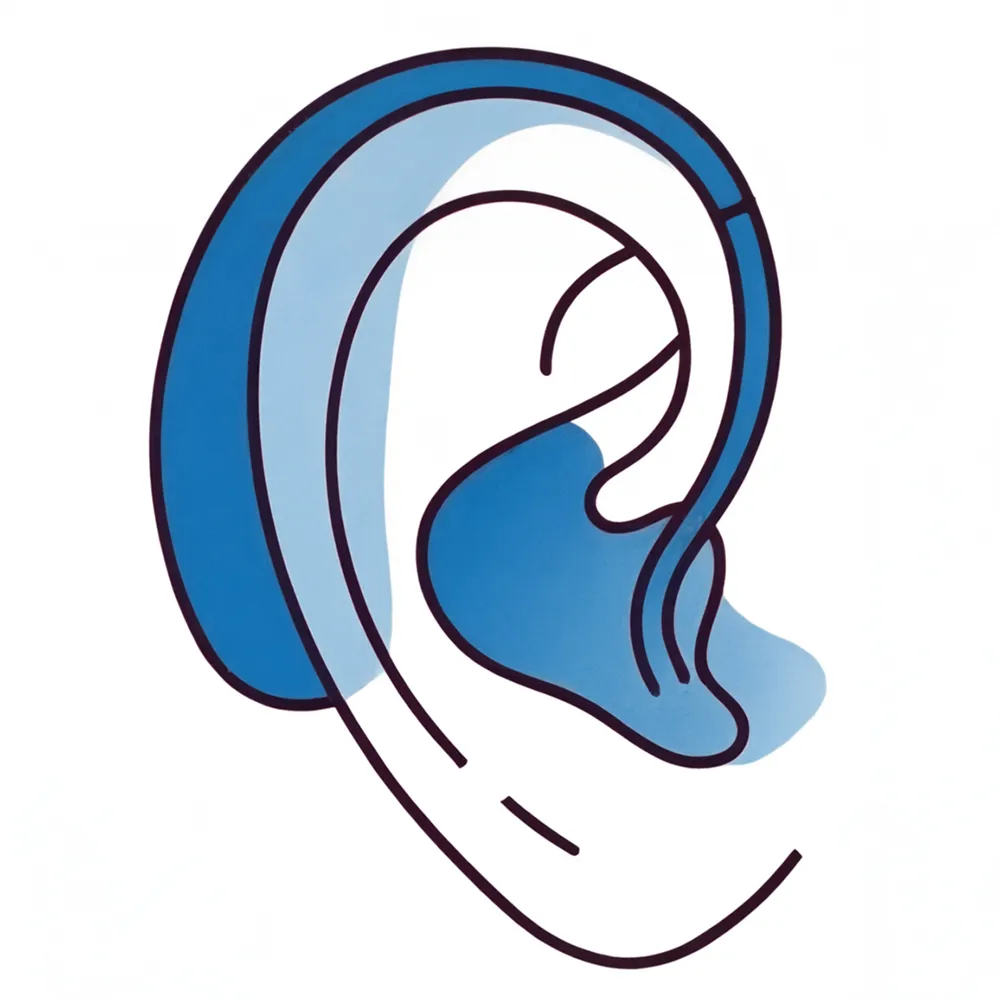
BTE with Earmold
BTEs with earmolds fit mild through profound hearing losses. Their longer shape follows the contour behind the outer ear and can house many features, including a program button and volume control. The earmold color and style, as well as the wearer’s hairstyle, determine exactly how they’ll look on each person.
The Different Styles of Prescription Hearing Aids
Explore a variety of discreet, comfortable, & performance-tailored hearing aids designed to suit your hearing needs and lifestyle
Invisible In The Canal (IIC)
The smallest custom style, IIC instruments, sit invisibly in or past the second bend of the ear canal. IIC devices are specifically designed for mild-to-moderate hearing loss.
Completely in the Canal (CIC)
The smallest custom style, CIC instruments, fit deeply and entirely within the ear canal. They fit mild-to-moderate hearing losses and offer high cosmetic appeal, as they’re nearly invisible when worn.
In the Canal (ITC)
ITC instruments sit in the lower portion of the outer ear bowl, making them comfortable and easy to use. Because they’re slightly larger than CIC models, they have a longer battery life, and can host additional features such as directional microphones for better understanding in noisy environments, and controls such as volume controls. They fit mild and moderate hearing losses.
Full Shell or In the Ear (ITE)
Full shell models sit flush within the outer ear bowl. Their size allows the maximum number of additional controls and features, such as directional microphones, which require space on the outer portion of the instrument. They use a larger battery size than the smaller styles and can fit a larger receiver with enough power for even some severe hearing losses. Because of their flexibility, they’re widely recommended for mild-to-severe hearing loss.
Receiver in Ear (RIC)
RIC models are mini BTEs that have the speaker of the instrument incorporated in the ear tip, instead of in the main body of the instrument. RIC instruments fit mild-to-severe hearing losses. This hearing aid style looks similar to the Mini BTE when worn on the ear.
BTE with Earmold
BTEs with earmolds fit mild through profound hearing losses. Their longer shape follows the contour behind the outer ear and can house many features, including a program button and volume control. The earmold color and style, as well as the wearer’s hairstyle, determine exactly how they’ll look on each person.
The Different Styles of Prescription Hearing Aids
Explore a variety of discreet, comfortable, & performance-tailored hearing aids designed to suit your hearing needs and lifestyle
Invisible In The Canal (IIC)
The smallest custom style, IIC instruments, sit invisibly in or past the second bend of the ear canal. IIC devices are specifically designed for mild-to-moderate hearing loss.
Completely in the Canal (CIC)
The smallest custom style, CIC instruments, fit deeply and entirely within the ear canal. They fit mild-to-moderate hearing losses and offer high cosmetic appeal, as they’re nearly invisible when worn.
In the Canal (ITC)
ITC instruments sit in the lower portion of the outer ear bowl, making them comfortable and easy to use. Because they’re slightly larger than CIC models, they have a longer battery life, and can host additional features such as directional microphones for better understanding in noisy environments, and controls such as volume controls. They fit mild and moderate hearing losses.
Full Shell or In the Ear (ITE)
Full shell models sit flush within the outer ear bowl. Their size allows the maximum number of additional controls and features, such as directional microphones, which require space on the outer portion of the instrument. They use a larger battery size than the smaller styles and can fit a larger receiver with enough power for even some severe hearing losses. Because of their flexibility, they’re widely recommended for mild-to-severe hearing loss.
Receiver in Ear (RIC)
RIC models are mini BTEs that have the speaker of the instrument incorporated in the ear tip, instead of in the main body of the instrument. RIC instruments fit mild-to-severe hearing losses. This hearing aid style looks similar to the Mini BTE when worn on the ear.
BTE with Earmold
BTEs with earmolds fit mild through profound hearing losses. Their longer shape follows the contour behind the outer ear and can house many features, including a program button and volume control. The earmold color and style, as well as the wearer’s hairstyle, determine exactly how they’ll look on each person.
Different Ways to Pay
Out of Pocket
You can pay for your hearing care package in one simple transaction that invests in your hearing devices along with a hearing care package of an Audiologist’s time, expertise and leading care for your hearing health.
Payment Plans
You can split your payments over a period of time by selecting one of our payment plans, which allows you to pay for your devices and hearing care package over a selected period of time (from 90 days to 12 months).
Different Ways to Pay
Out of Pocket
You can pay for your hearing care package in one simple transaction that invests in your hearing devices along with a hearing care package of an Audiologist’s time, expertise and leading care for your hearing health.
Payment Plans
You can split your payments over a period of time by selecting one of our payment plans, which allows you to pay for your devices and hearing care package over a selected period of time (from 90 days to 12 months).
Different Ways to Pay
Out of Pocket
You can pay for your hearing care package in one simple transaction that invests in your hearing devices along with a hearing care package of an Audiologist’s time, expertise and leading care for your hearing health.
Payment Plans
You can split your payments over a period of time by selecting one of our payment plans, which allows you to pay for your devices and hearing care package over a selected period of time (from 90 days to 12 months).

Schedule An Appointment
Is it becoming more and more difficult to enjoy a night out or family gathering due to background noise?
Though it may be annoying, your friends and family are trying to help you improve your quality of life and maintain better communication. Your best response is to contact the hearing care expert nearest you to schedule a hearing assessment.
It’s easy. Just fill in and submit the adjacent form, and one of our patient care specialists will help schedule an appointment.
Schedule An Appointment
Is it becoming more and more difficult to enjoy a night out or family gathering due to background noise?
Though it may be annoying, your friends and family are trying to help you improve your quality of life and maintain better communication. Your best response is to contact the hearing care expert nearest you to schedule a hearing assessment.
It’s easy. Just fill in and submit the adjacent form, and one of our patient care specialists will help schedule an appointment.
Schedule An Appointment
Is it becoming more and more difficult to enjoy a night out or family gathering due to background noise?
Though it may be annoying, your friends and family are trying to help you improve your quality of life and maintain better communication. Your best response is to contact the hearing care expert nearest you to schedule a hearing assessment.
It’s easy. Just fill in and submit the adjacent form, and one of our patient care specialists will help schedule an appointment.
Local Hearing Care Experts Answer Your Questions
Expert hearing care tailored to your unique needs - because better hearing starts here

Luther’s Journey to Better Hearing with Acadian Hearing Services
Discover how Luther found clear hearing and expert care at Acadian Hearing Services in Lake Charles. Read his story and see why he rates us 10/10.

Your Hearing Health Is Key to Protecting Your Brain
Learn how treating hearing loss can protect your cognitive health. Discover the WHO's new guidelines with our Lake Charles audiologists. Call today.

"Run, Don’t Walk!": Why Maria Has Trusted Acadian Hearing Services for Over Three Decades
Hearing care should never feel intimidating or rushed.
Local Hearing Care Experts Answer Your Questions
Expert hearing care tailored to your unique needs - because better hearing starts here
Luther’s Journey to Better Hearing with Acadian Hearing Services
Discover how Luther found clear hearing and expert care at Acadian Hearing Services in Lake Charles. Read his story and see why he rates us 10/10.
Your Hearing Health Is Key to Protecting Your Brain
Learn how treating hearing loss can protect your cognitive health. Discover the WHO's new guidelines with our Lake Charles audiologists. Call today.
"Run, Don’t Walk!": Why Maria Has Trusted Acadian Hearing Services for Over Three Decades
Hearing care should never feel intimidating or rushed.
Local Hearing Care Experts Answer Your Questions
Expert hearing care tailored to your unique needs - because better hearing starts here
Luther’s Journey to Better Hearing with Acadian Hearing Services
Discover how Luther found clear hearing and expert care at Acadian Hearing Services in Lake Charles. Read his story and see why he rates us 10/10.
Your Hearing Health Is Key to Protecting Your Brain
Learn how treating hearing loss can protect your cognitive health. Discover the WHO's new guidelines with our Lake Charles audiologists. Call today.
"Run, Don’t Walk!": Why Maria Has Trusted Acadian Hearing Services for Over Three Decades
Hearing care should never feel intimidating or rushed.